
Multi-Family & HOA EV Charging in Laguna Niguel
Load-shared and separately metered charging for the condominium and association communities across Rancho Niguel, Crown Valley Highlands, and Village Niguel Gardens.
Licensed C-10 & Insured · Board Submissions Prepared · Load Sharing & Individual Metering · Permitted and Inspected
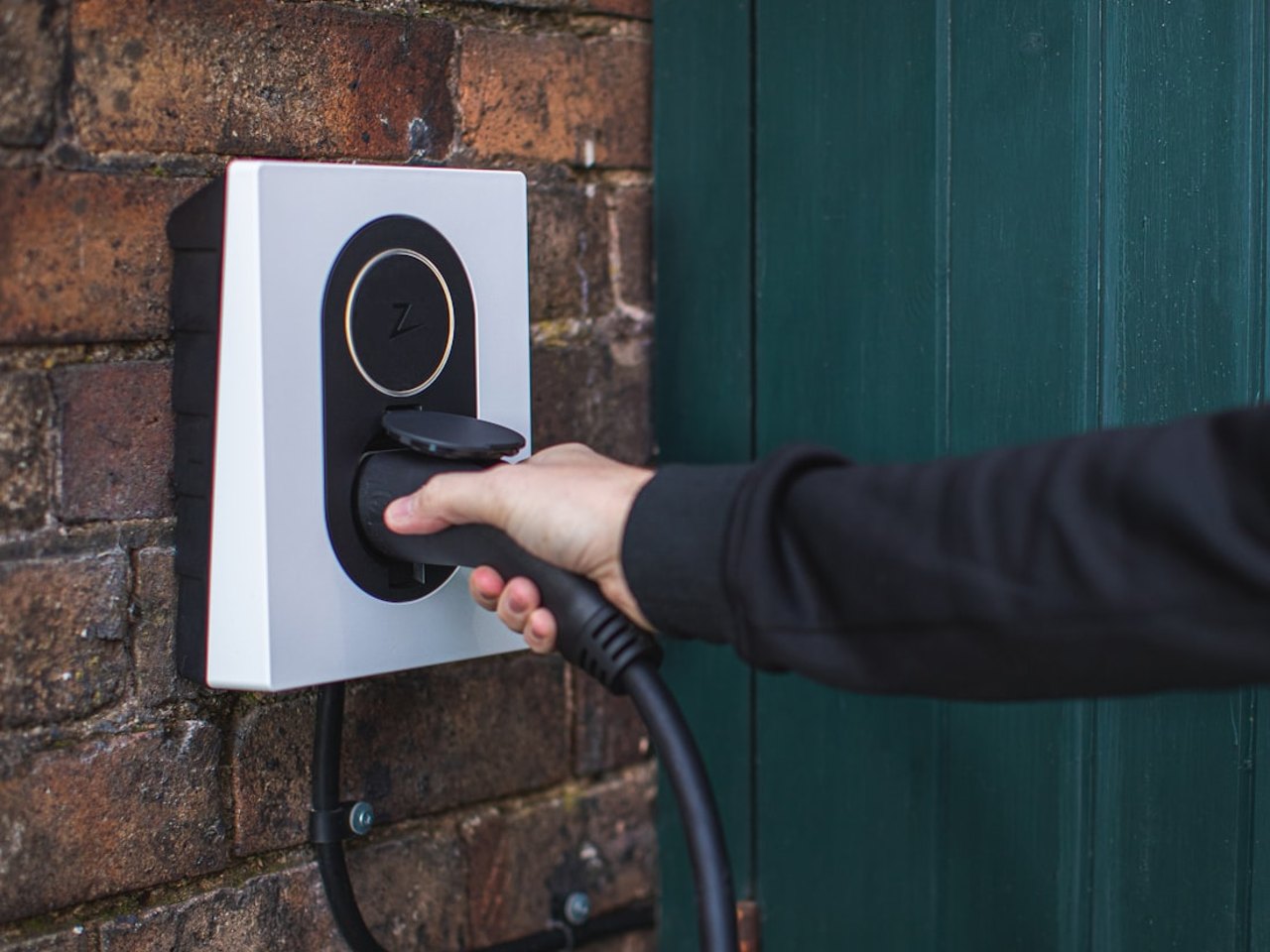
Charging in Shared Parking, Without Overrunning the Building
Laguna Niguel has an unusually high concentration of association-governed housing, which means a large share of the people who want a charger here cannot simply decide to have one. Two problems have to be solved at once. The building's electrical service was designed decades before anyone anticipated residents adding 40-amp continuous loads to shared parking, and the association needs a defensible answer on who pays for the electricity, who owns the equipment, and who carries the liability. Laguna Niguel EV Charger handles both. On the electrical side, load sharing lets a group of stations draw from a shared allocation, throttling dynamically so the aggregate never exceeds what the service can carry, and individual metering assigns consumption to the resident using it. On the governance side, California law gives owners meaningful rights to install charging in an assigned space subject to reasonable conditions, and a board that receives a complete written plan will generally approve considerably faster than one asked to work out the details itself. We prepare that submission, and we will attend the meeting to answer the questions that always arrive.
What a Multi-Family or HOA Installation Covers
These projects range from one owner installing in an assigned space to a community-wide build-out. The elements below cover both ends of that range.
An electrical assessment of the building or community service, establishing available capacity and how many charging positions it supports under a load-managed configuration.
A written plan formatted for board review, covering the technical approach, the metering method, cost allocation between owner and association, insurance and liability, and the maintenance responsibility for each component.
Attendance at the board or architectural committee meeting to present the plan and answer questions directly, which reliably shortens approval compared with a plan submitted on paper alone.
Load-shared station configuration so a group of chargers draws from a fixed allocation and throttles automatically, allowing considerably more positions than dedicated circuits would permit on the same service.
Individual metering or network-based billing so each resident is charged for their own consumption, with reporting the association can reconcile without maintaining a spreadsheet.
Conduit routing through parking structures and podium levels, including core drilling, fire-stopping at rated penetrations, and cable tray or surface raceway finished to a standard the association will accept aesthetically.
A dedicated subpanel or distribution point sized for the planned build-out, so adding stations later is a matter of pulling circuits rather than redoing the infrastructure.
Equipment selection suited to semi-public use, with tamper resistance, cable management appropriate to a shared garage, and access control preventing use by non-residents.
Coordination with the association's existing electrical contractor, property manager, and any capital-project schedule, so the work fits the community's calendar rather than fighting it.
Full permitting with the City of Laguna Niguel, inspection attendance, and as-built documentation supplied to the association for its records.
How an Association Project Runs
Assessment and plan preparation
Call (949) 687-3907 whether you are an owner, a board member, or a property manager. We assess the service and the parking layout, then produce the written plan covering both the electrical approach and the governance questions. That document is what the board actually needs, and it is the part most installers leave to the homeowner.
Approval
We attend the meeting and present it. Most of the objections that arise are predictable, concerning cost allocation, liability, aesthetics, and precedent for other owners, and the plan is written to answer them in advance. If the board requests conditions, we revise and resubmit rather than starting over.
Installation and commissioning
Work in occupied garages is staged so parking disruption is partial and scheduled with notice. Conduit and distribution go in first, then the stations, then network and metering configuration. Every position is tested under load, residents are shown how access and billing work, and the association receives the as-builts and closed permits.
Why Board Approval Is Half the Job
We write the submission, and we show up to defend it
Handing an owner a quote and wishing them luck with the board is where most of these projects die. A plan that settles metering, liability, and maintenance responsibility in writing, presented by the person who will do the work, gets approved at a materially higher rate.
Load sharing usually beats a service upgrade
Associations are told with some regularity that meaningful charging requires an expensive service upgrade. A load-managed configuration frequently supports the same number of positions within the existing service, and establishing that is a small piece of work with a very large cost consequence.
Metering that the association can actually administer
Whoever manages this community will not thank anyone for a system requiring monthly meter reads. We configure network-based metering with reporting the manager can pull directly, so resident billing is a routine task rather than a recurring argument.
Bring EV Charging to Your Laguna Niguel Community
If you are an owner who has been told no, or a board trying to get ahead of the requests, the route through is a plan that answers the hard questions before they are asked. Call and we will assess the property and prepare the submission.
Licensed C-10 · EVITP-certified · Permit and inspection inside the flat rate.