
Tesla Wall Connector Installation in Laguna Niguel: A Homeowner's Guide
A Tesla Wall Connector installation turns a corner of your Laguna Niguel garage into the fastest home charging most EVs will ever need, but the box on the wall is the easy part. Behind it sits a dedicated 240-volt circuit, a correctly sized breaker, a city permit, and a panel with room to spare. This guide covers what the Wall Connector is, how it is wired, why a hardwired 48-amp install beats the plug-in alternative, whether it charges a non-Tesla, what the job tends to cost, and how power sharing lets two cars share one circuit, all with south Orange County's hilly, HOA-heavy neighborhoods in mind.
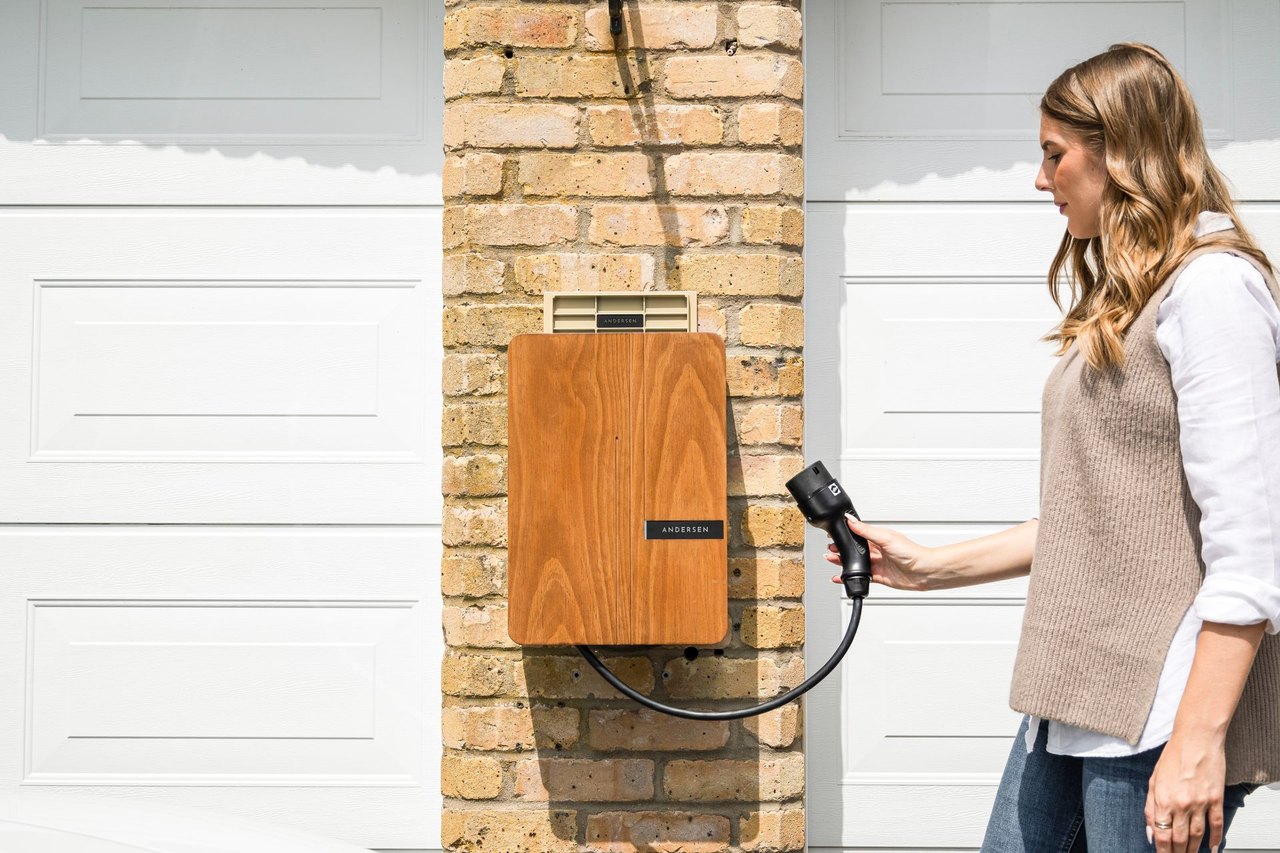
What the Tesla Wall Connector Is and What It Needs to Run
The Tesla Wall Connector is a wall-mounted Level 2 home charger that delivers up to 11.5 kW at 48 amps on a 240-volt circuit, according to Tesla's Wall Connector specifications. Level 2 means 240-volt charging, the same voltage class as an electric clothes dryer, rather than the slow 120-volt outlet already in your garage. Reaching that 48-amp output is the part homeowners underestimate: it needs a dedicated branch circuit from the panel to the charger, conductors sized for continuous current, and a panel with spare capacity for a large new load. A newer Laguna Niguel home on a 200-amp panel often has that headroom already; an older house, a condo, or one that has added air conditioning and a pool pump over the years may not, and that single question shapes the entire installation.
Hardwired vs. the Mobile Connector: Which Install Makes Sense
For most permanent home installs, a hardwired Wall Connector beats a plug-in mobile connector, and the difference comes down to output and durability. Tesla's Mobile Connector plugs into an outlet and tops out around 32 amps on a 240-volt NEMA 14-50 receptacle, while the hardwired Wall Connector runs up to 48 amps, faster and wired directly to the circuit rather than relying on a plug that heats and wears with daily use. A hardwired unit also has no exposed receptacle, which matters in a garage that sees dust, coastal salt air, and the occasional storage bin brushing past it. The plug-in route via a NEMA 14-50 outlet stays reasonable when flexibility matters or a lower amperage is all the panel can support. But for the fastest, cleanest, most permanent result, hardwiring at 48 amps is what a Tesla Wall Connector installation is built for.
The Circuit and Wiring: Why 48 Amps Needs a 60-Amp Breaker
A 48-amp Wall Connector requires a 60-amp circuit breaker, and that is not an upsell, it is electrical code. EV charging is treated as a continuous load, meaning current can run at its maximum for three hours or more, so the circuit must be sized to 125 percent of the charger's draw. Forty-eight amps times 1.25 equals 60, which is why Tesla specifies a 60-amp breaker for the Wall Connector's maximum configuration in its installation guidance. That breaker dictates the wire gauge, with 6-gauge copper typical for a 60-amp EV circuit, and the length of the run matters because Laguna Niguel's hillside lots often put the garage and the main panel far apart, sometimes on opposite ends of a split-level home. A longer run can mean heavier wire to manage voltage drop, one reason two similar installs nearby can be priced differently. None of this shows once the drywall closes up, but getting the breaker, wire, and terminations right is the difference between a charger that runs cool for a decade and one that nuisance-trips or worse.
Why a Licensed Electrician and a Permit Are Not Optional
A Tesla Wall Connector installation legally requires both a qualified electrician and a city permit in California. The U.S. Department of Energy's Alternative Fuels Data Center states plainly that home charging equipment should be installed by a certified electrical contractor, that a qualified electrician can add the circuits needed for Level 2 charging when a panel is short on capacity, and that installations must comply with local and state codes, with permits required from the local building authority. In practice that means an electrical permit pulled through the City of Laguna Niguel and an inspection after the work is done. The permit is not friction for its own sake: it puts a trained inspector's eyes on the breaker size, wire, grounding, and mounting before the circuit carries 48 amps for hours at a time, night after night. It also protects the homeowner at resale and with their insurer, since an unpermitted high-amperage circuit is exactly what surfaces during a home inspection. A licensed C-10 electrical contractor handles the permit, load calculation, and inspection as part of the job.
Will a Tesla Wall Connector Charge a Non-Tesla EV?
Yes, a Tesla Wall Connector can charge many non-Tesla EVs, and the newer Universal Wall Connector is built specifically for it. Tesla's standard Wall Connector uses the NACS connector and is described by Tesla as compatible with most electric vehicles, while the Universal Wall Connector datasheet lists native support for both NACS and J1772 plugs, so a Ford, Hyundai, Rivian, or other J1772-equipped vehicle can charge without juggling a separate adapter. Both versions run at the same 48 amps, adjustable by the installer, and ship with either a 24-foot or 13-foot cable depending on the model, worth weighing on a deep or tandem Laguna Niguel garage where the charge port sits far from the mounting spot. For a household that owns a Tesla now but might add another brand later, the Universal unit removes the compatibility question entirely. An electrician can advise which version fits the vehicles in the driveway during a Level 2 charger installation.
What a Tesla Wall Connector Installation Costs
Most residential Tesla Wall Connector installations run from a few hundred to a couple of thousand dollars for labor and materials, with the hardware priced separately, and the final figure driven by what the house already has. The charger's distance from the panel, whether the run goes through a finished wall or an open stud bay, and the condition of the existing panel are the main variables. The largest swing is panel capacity: if the service panel is full or lacks headroom for a 60-amp circuit, an electrical panel upgrade for EV charging comes first, and that adds significantly to the total. Older Laguna Niguel homes and some townhome and condo arrangements are the most likely to need it; newer construction on a 200-amp service usually does not. Industry sources put a straightforward hardwired install at the lower end and panel-upgrade jobs well above it, so the only way to a real number is a load calculation on the actual panel, which a site visit or an instant quote settles better than any online average.
Charging Two Cars: Power Sharing Across Wall Connectors
When a household adds a second EV, power sharing lets multiple Wall Connectors run on a shared circuit without overloading the panel. Tesla's power management documentation explains that up to six Gen 3 Wall Connectors can be linked in a group that wirelessly monitors and distributes the total available power, so each car charges as fast as possible while the combined draw stays within safe limits for the panel or single circuit feeding them. That matters in a two-EV Laguna Niguel household where giving each charger its own 60-amp circuit would be expensive or impractical. Tesla's Dynamic Power Management, which throttles charging in real time based on the whole home's electricity use, is available on single-unit installs and can let a charger coexist with an older, smaller panel by backing off when the house draws heavily elsewhere. Which approach fits depends on the panel and how many vehicles charge overnight, and it is worth designing in from the start.
HOA Rules and Your SCE Rate Plan in Laguna Niguel
Two local details shape a Laguna Niguel install beyond the wiring itself. The first is the HOA: the city's master-planned communities often have architectural guidelines, and while California law strongly limits an HOA's ability to prohibit home EV charging, placement on a visible exterior wall can still trigger review, so mounting inside the garage usually sidesteps the issue. The second is the rate plan. Southern California Edison, the utility serving the city, offers a time-of-use plan for EV households called TOU-D-PRIME that prices off-peak hours below peak, so scheduling the Wall Connector to charge in those windows, set in the Tesla app rather than the hardware, can noticeably cut running costs over the life of the charger.
What to Nail Down Before the Electrician Arrives
The one thing that decides most of this is your electrical panel, so start there: know its amperage, how full it is, and where it sits relative to the garage wall the charger will go on. From that, almost everything else follows, whether a hardwired 48-amp circuit drops in cleanly or a panel upgrade comes first, how long the run is, and what the job will cost. Decide early whether you want a standard or Universal Wall Connector based on the vehicles you own now and might add later, and pick a mounting spot your HOA will not object to. If you would rather not guess at the panel math or the permit, that is where a local electrician earns their keep: the team behind Laguna Niguel EV Charger handles the load calculation, the city permit, and the Tesla Wall Connector installation, and folds in a panel upgrade when the service needs one.
Sources
U.S. Department of Energy, Alternative Fuels Data Center: Charging at Home. Tesla, Wall Connector Home Charging Installation. Tesla, Universal Wall Connector Datasheet. Tesla, Wall Connector Power Management.
Not Sure Your Panel Can Handle a Wall Connector?
Send over your panel details or book a quick site visit, and a licensed electrician will run the load calculation, confirm the circuit and permit, and quote your Tesla Wall Connector install with no guesswork and no pressure.
Licensed C-10 Electrical Contractor · EVITP-Certified Installers · Permit and Inspection Included